
Utilities
Digital Transformation in the Utilities sector
Digital transformation is reshaping industries across the globe, and the utilities sector is no exception. As the demand for efficient, reliable, and sustainable energy and water services grows, utilities companies are turning to digital technologies to enhance their operations, improve customer experiences, and address environmental challenges. This comprehensive exploration of digital transformation in the utilities sector highlights the key drivers, technologies, and benefits of this profound shift.
Digital Quantum leadership has vast experience in the Utilities sector. We have helped our client in North America design & develop an Automated Meter Reading (AMR) tool for one of the large Electricity Supplier in California, for all the Household Consumer base in California, for installing and implementing the AMR tool, for each and every consumer base in California state. This AMR product is the industry leading state-of-the-art advanced metering infrastructure (AMI) software, an highly scalable web-based software.
Drivers of Digital Transformation in Utilities
- Growing Demand for Efficiency and Reliability: The utilities sector is under immense pressure to deliver reliable and efficient services while managing aging infrastructure and increasing operational costs. Digital transformation addresses these challenges by providing advanced tools and technologies that enhance operational efficiency, minimize downtime, and improve service delivery. Modern digital solutions enable utilities companies to better monitor and manage their infrastructure, ensuring a more reliable supply of energy and water.
- Sustainability and Regulatory Compliance:Sustainability is a major focus for utilities companies, driven by regulatory requirements and growing public concern about environmental issues. Digital transformation supports sustainability efforts by enabling smarter energy management, reducing emissions, and promoting the integration of renewable energy sources. Advanced technologies also help utilities comply with stringent environmental regulations and track their progress towards sustainability goals.
- Evolving Customer Expectations:Consumers today expect more from their utility providers, including greater transparency, control over their consumption, and personalized services. Digital transformation meets these expectations by providing customers with real-time data, interactive tools, and enhanced communication channels. By leveraging digital technologies, utilities companies can offer improved customer experiences and foster stronger relationships with their clients.
Key Technologies Driving Transformation
-
Smart Grids and Smart Meters: Smart grids and smart meters are at the forefront of digital transformation in the utilities sector.
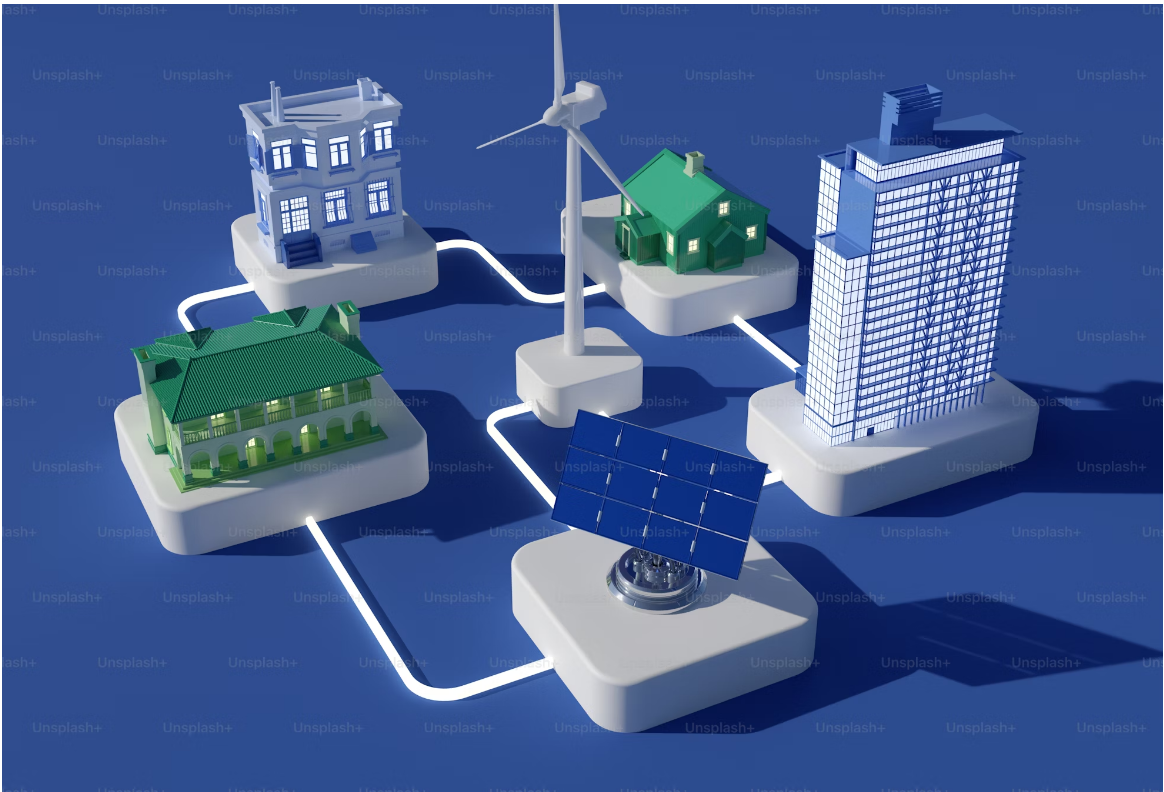
Smart grids use digital communication technology to monitor and manage the flow of electricity from all generation sources to end-users efficiently. They enable real-time data collection, which helps in balancing supply and demand, detecting faults, and integrating renewable energy sources.
Smart meters, on the other hand, provide detailed consumption data to both utilities and consumers. These devices allow for real-time monitoring of energy or water usage, leading to more accurate billing and the ability to identify and address issues such as leaks or inefficiencies
Smart grids enhance the efficiency and reliability of energy distribution.

-
Internet of Things (IoT) and Sensors: The Internet of Things (IoT) connects a wide range of devices and sensors to the internet, allowing for the collection and analysis of real-time data. In the utilities sector, IoT devices are used for monitoring infrastructure, detecting leaks or faults, and optimizing resource usage.
The Internet of Things (IoT) connects a wide range of devices and sensors to the internet, allowing for the collection and analysis of real-time data. In the utilities sector, IoT devices are used for monitoring infrastructure, detecting leaks or faults, and optimizing resource usage.
IoT sensors provide real-time data for better management of utility infrastructure.
-
Cloud Computing: Cloud computing provides utilities companies with scalable and flexible resources for managing their operations. By leveraging cloud-based platforms, utilities can store and analyse large volumes of data, deploy advanced applications, and enhance collaboration across teams.
Cloud computing also supports the integration of various digital tools and technologies, enabling utilities to build comprehensive digital ecosystems. This flexibility allows companies to adapt to changing demands and implement new solutions more rapidly.

-
Advanced Analytics and Artificial Intelligence: Advanced analytics and artificial intelligence (AI) are revolutionizing the way utilities companies operate. By analysing vast amounts of data from smart meters, sensors, and other sources, AI-driven analytics can predict equipment failures, optimize energy usage, and identify patterns that lead to more informed decision-making.
For instance, predictive maintenance powered by AI helps in forecasting potential equipment failures before they occur, reducing downtime and maintenance costs. Additionally, AI algorithms can optimize energy distribution, forecast demand, and improve the integration of renewable energy sources.
Benefits of Digital Transformation
- Improved Operational Efficiency: Digital technologies streamline operations, reduce manual processes, and optimize resource management. For example, smart grids and meters automate data collection and analysis, leading to more accurate billing, faster fault detection, and better management of energy and water resources. Advanced analytics and AI further enhance operational efficiency by predicting maintenance needs and optimizing performance.
- Enhanced Customer Experience: Digital transformation enhances the customer experience by providing greater transparency and control over utility services. Customers can access real-time data about their energy or water consumption, receive alerts about potential issues, and interact with their utility providers through digital channels. This increased engagement and transparency foster stronger relationships and greater customer satisfaction.

- Increased Sustainability: By integrating renewable energy sources, optimizing resource usage, and reducing emissions, digital transformation supports sustainability goals. Smart grids and advanced analytics enable better management of renewable energy, while IoT sensors and analytics help identify opportunities for reducing waste and improving efficiency. This commitment to sustainability not only meets regulatory requirements but also aligns with the growing expectations of environmentally conscious consumers.
- Enhanced Resilience and Reliability: Digital technologies improve the resilience and reliability of utility services by enabling real-time monitoring and rapid response to issues. Smart grids and predictive maintenance systems help prevent and address equipment failures, while advanced analytics provide insights for better decision-making and risk management. This leads to fewer service disruptions, faster recovery from incidents, and a more reliable supply of energy and water
Challenges and Considerations
While digital transformation offers numerous benefits, utilities companies must also navigate several challenges. These include:
- Data Security and Privacy: As utilities companies collect and analyze vast amounts of data, ensuring data security and privacy becomes crucial. Companies must implement robust cybersecurity measures to protect sensitive information and comply with data protection regulations.
- Integration with Legacy Systems: Many utilities companies operate with legacy systems that may not be compatible with modern digital technologies. Integrating new solutions with existing infrastructure can be complex and require careful planning and investment.
- Change Management and Skill Development:The adoption of digital technologies often requires changes in organizational processes and the development of new skills. Utilities companies must invest in training and change management to ensure a smooth transition and maximize the benefits of digital transformation.
Conclusion
Digital transformation is a game-changer for the utilities sector, offering innovative solutions to improve efficiency, enhance customer experiences, and support sustainability. By embracing technologies such as smart grids, AI, IoT, and cloud computing, utilities companies can navigate the challenges of a rapidly evolving industry and position themselves for future success.
Digital Quantum’s leadership team has a vast experience in this sector, our role in this transformation is to provide the tools, expertise, and support needed to drive digital change in the utilities sector. We have designed & developed an Automated Meter Reading (AMR) tool for one of the large Consumer base in California for installing and implementing the AMR tool for each and every household in California state.